
Services
Direct contractors for all the different aspects of renovation
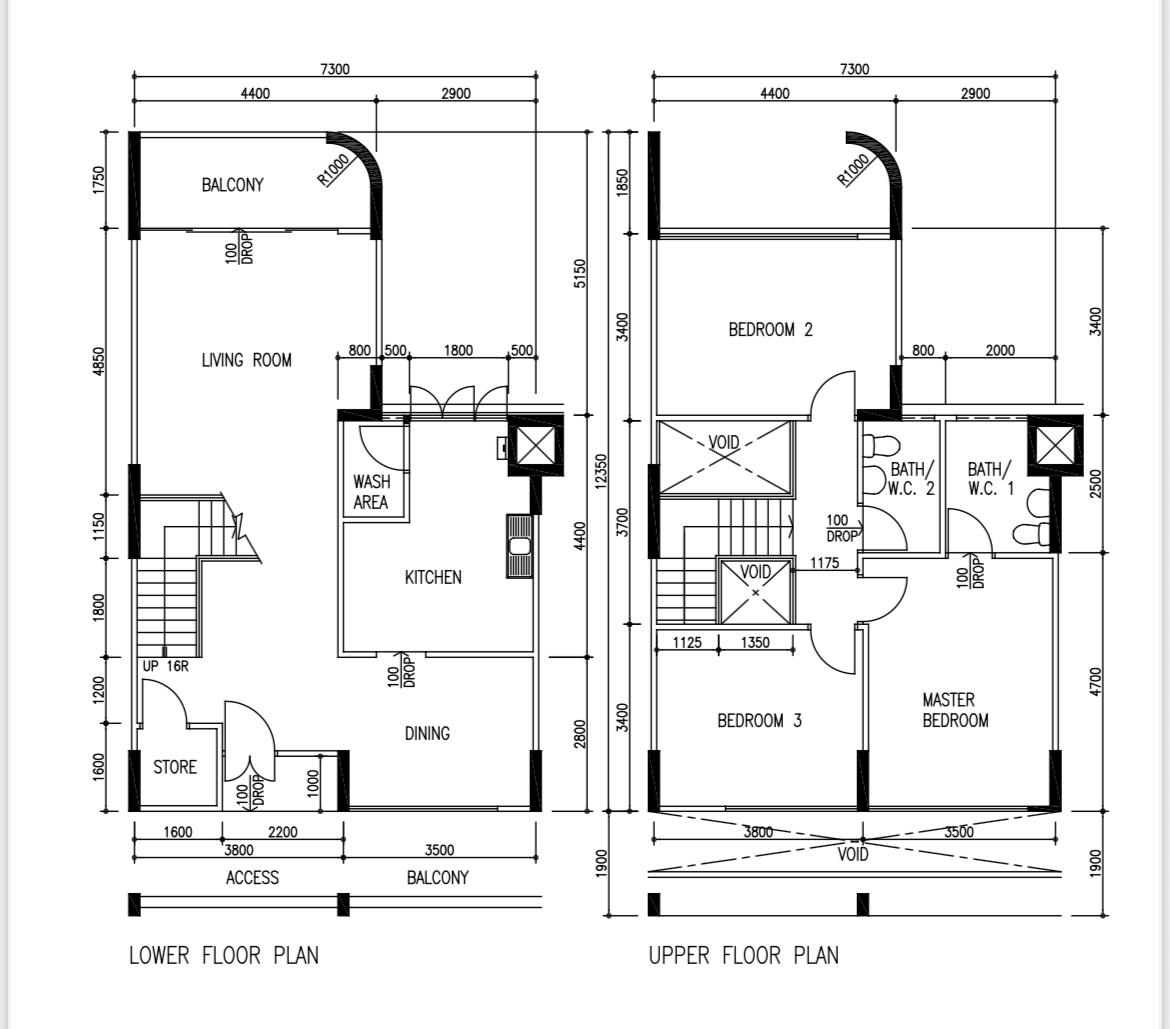
Interior Designer / 3D Drafter
An Interior Designer with 3D drawing skills focuses on creating visual representations of interior spaces using 3D software.
This includes developing 3D models, renderings, and technical drawings based on design concepts, as well as assisting with client feedback and amendments.
Detailed Job Scope:
3D Modeling and Rendering: Creating detailed 3D models of interior spaces, including furniture, fixtures, and finishes, using software like AutoCAD, Revit, or 3D Studio Max.
Technical Drawings: Producing accurate technical drawings, such as floor plans, elevations, and detailed drawings, for fabrication and construction purposes.
Space Planning and Design Conceptualization: Contributing to the overall design process by helping to develop space planning concepts, design layouts, and material and color schemes.
Collaboration with Designers: Working closely with interior designers to translate design concepts into 3D visuals, ensuring alignment with project goals.
Client Communication and Feedback: Assisting with client presentations, revisions, and modifications based on their feedback and requests.
Software Proficiency: Demonstrating proficiency in various 3D drafting, rendering, and graphic design software, such as AutoCAD, 3DS Max, V-ray, and Adobe Photoshop.
Attention to Detail: Maintaining accuracy and attention to detail in all drawings and models.
Time Management: Managing project deadlines and ensuring timely completion of tasks and deliverables.
Site Measurements: Potentially attending site measurements when needed for accurate design and planning.
Construction Documentation: Producing accurate construction drawings for fabrication.
Material and Color Scheme Specification: Providing input on material and color scheme specifications.
Project Management: Maintaining and organizing drawings in a systematic way.
Communication and Problem-solving: Communicating effectively with designers and clients, and addressing any technical challenges.
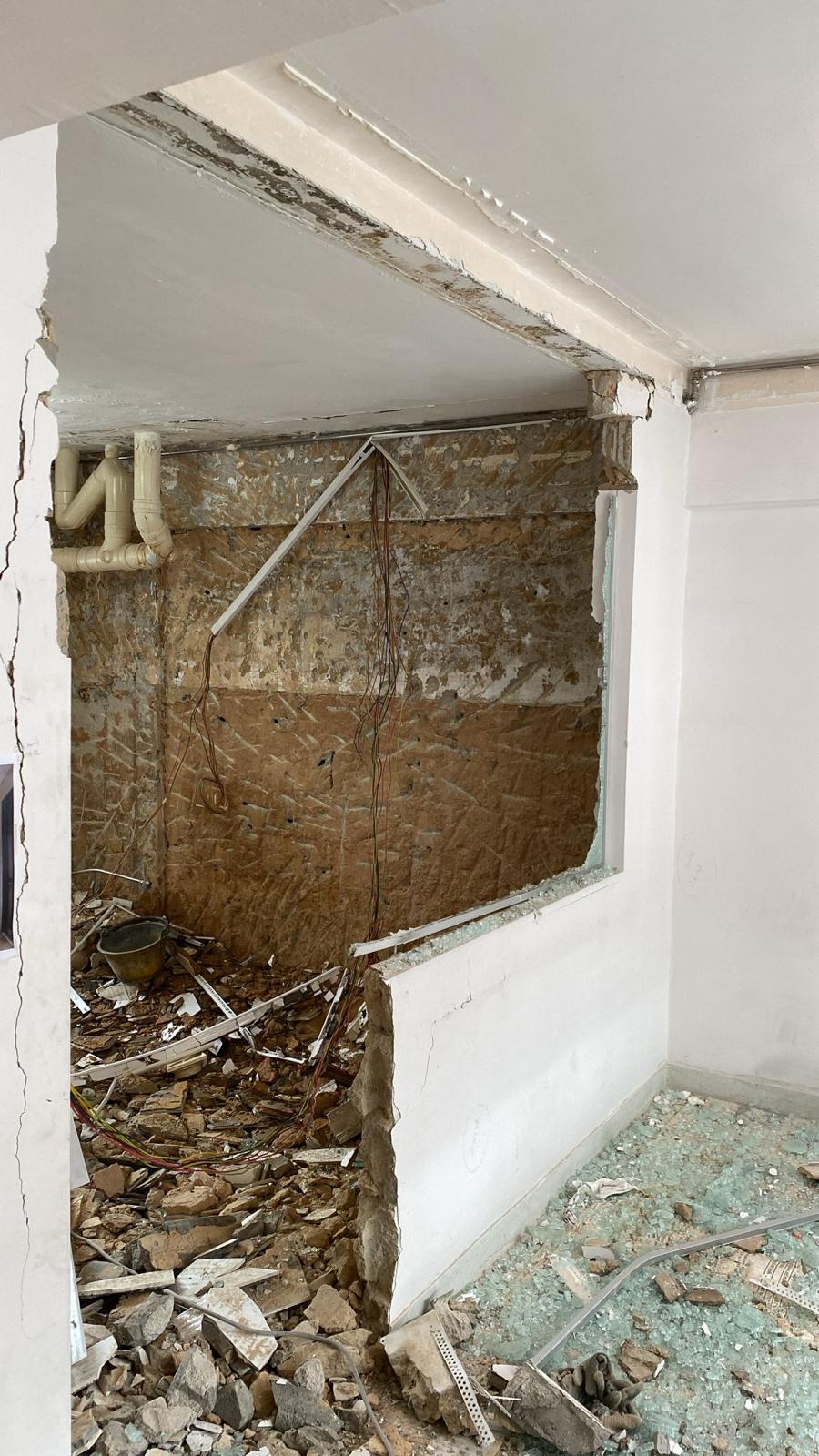
Hacking & Disposal Services
Hacking and disposal services cover the safe removal of existing structures and the proper clearance of all debris to prepare your space for renovation.
Detailed Job Scope
Residential Hacking: This includes hacking work in HDBs (Housing Development Board flats), condominiums, and landed houses.
Commercial Hacking: This might involve hacking in buildings like offices or retail spaces.
Jobscope Considerations
Permits:
Before starting any hacking work, it’s essential to obtain necessary permits from the relevant authorities.
HDB Guidelines:
If the hacking is in an HDB flat, it’s crucial to adhere to HDB guidelines, including identifying which walls are structural and which can be altered.
Noise Control:
During hacking, it’s essential to be mindful of noise regulations and to inform neighbors.
Communication:
Clear communication with the contractor and interior designer is crucial to ensure the work aligns with the planned design.
Debris Management:
A plan for managing debris and debris removal should be in place.
In summary, the jobscope of renovation hacking involves dismantling, removing, and disposing of existing building materials and structures to create space for new renovations or construction.
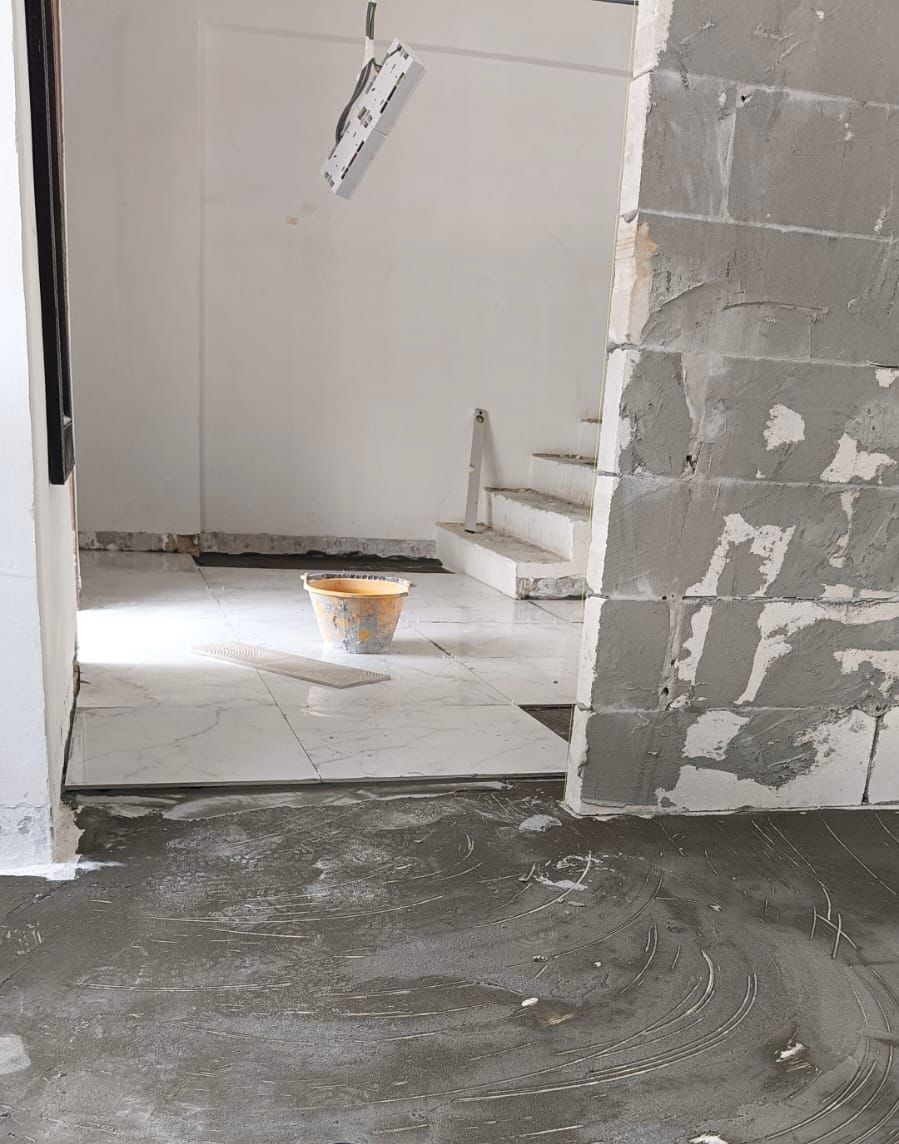
Mosaic Tiling Works
A mosaic tiling job during renovation typically involves preparing surfaces, cutting and laying mosaic tiles, and grouting. It may also include tasks like waterproofing, surface leveling, and creating intricate designs.
Detailed Job Scope
Surface Preparation:
This includes cleaning, leveling, and waterproofing surfaces to ensure proper tile adhesion.
Tile Cutting and Shaping:
Tilers may need to cut tiles to fit around obstacles or create specific shapes and designs.
Tile Adhesion:
Applying adhesive to the surface and the back of the tiles, then carefully setting them in place.
Laying and Grouting:
Laying tiles accurately, ensuring proper spacing and alignment, and applying grout to fill the gaps and seal the installation.
Waterproofing:
Applying waterproofing materials to the surface to prevent leaks, especially in bathrooms or kitchens.
Design and Pattern Creation:
Laying mosaic tiles to create decorative patterns and designs.
Finishing Touches:
Cleaning up the installation area and ensuring the final product is neat and professional.
Material Ordering and Management:
Ordering materials, tools, and supplies needed for the job.
Working with Other Tradespeople:
Coordinating with other tradespeople (e.g., plumbers, electricians) to ensure a seamless installation.

Electrical Works
Electrical contractors typically provide a range of services from minor repairs to full-scale installations.
Detailed Job Scope
Installing and wiring:
Electricians will install new wiring, lighting fixtures, outlets, switches, and other electrical components according to blueprints and project specifications.
Troubleshooting and repair:
They diagnose and fix electrical problems, including repairing damaged wiring, replacing faulty equipment, and addressing safety hazards.
Testing and maintenance:
Electricians perform routine inspections and tests to ensure the electrical system is functioning correctly and safely, including testing circuit breakers and transformers.
Adhering to regulations:
They must comply with all relevant electrical codes, building regulations, and safety standards.
Reading blueprints and technical diagrams:
Electricians need to understand and interpret electrical plans to perform their tasks accurately.
Using tools and equipment:
They utilize a variety of tools, including hand tools, power tools, and testing devices, to install, repair, and maintain electrical systems.
Communicating with clients and project managers:
Electricians will often work with clients, architects, and project managers to ensure the electrical work meets their needs and requirements.
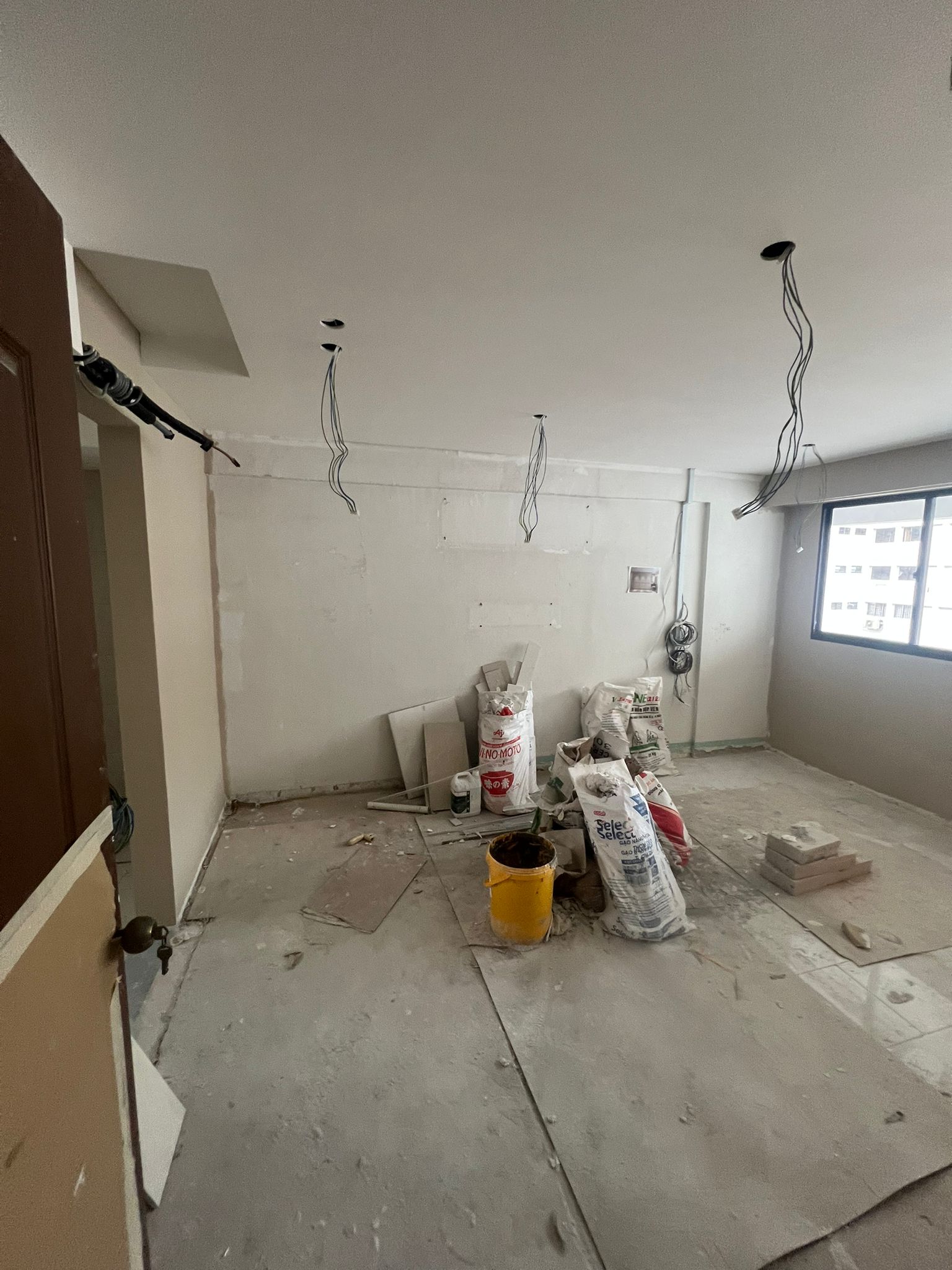
False Ceiling / Partition / Pelmet contractor
A false ceiling renovation typically involves installing a new false ceiling to conceal existing infrastructure like wiring, ductwork, or pipes while also adding decorative elements and lighting.
The jobscope generally includes measuring, marking, securing the framework, installing panels, adding insulation, and finishing with mudding, sanding, priming, and painting.
Detailed Job Scope
Removal of Existing Ceiling: This may include removing old ceiling tiles, plaster, or other materials.
Framework Installation: The contractor will install a framework of metal or wooden battens to support the false ceiling.
Ceiling Material Installation: This could involve fitting gypsum board, PVC panels, or other chosen materials according to the design.
Seam Finishing: Mudding, sanding, and priming seams are necessary for a smooth finish.
Painting/Finishing: The false ceiling will be painted or finished to match the overall design of the room.
Concealing Utility Components: This involves routing pipes, wires, and air conditioning ductwork behind the false ceiling.
Lighting Fixture Installation: The contractor may also install lighting fixtures within the false ceiling.
Clean-up: The jobscope typically includes cleaning the area and disposing of debris.
Repair and Restoration: This could include patching existing false ceilings or repairing water damage.
Design and Planning: Some contractors offer design and planning services for false ceilings.
Partition Wall Installation: False ceiling contractors sometimes also install partition walls, which may be part of the job scope.
Important Considerations:
Material Selection: The choice of material depends on factors like budget, design preferences, and the specific needs of the room.
Safety: False ceiling installation can involve working at heights, so safety protocols and procedures must be followed.
Permits: Depending on the extent of the work, permits may be required.
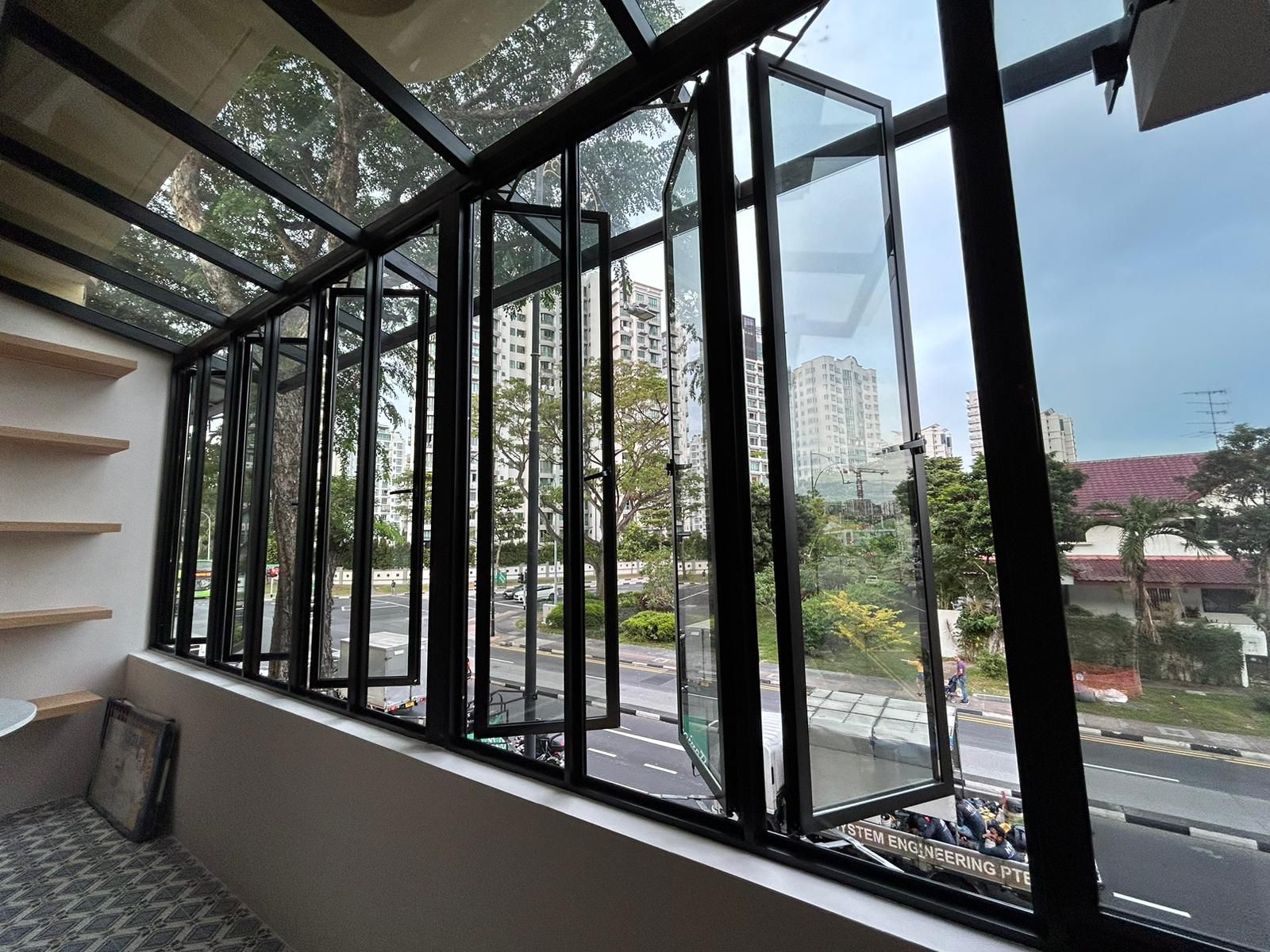
Aluminium Windows & Grilles, Invisible Grilles, Wooden Doors, Shower Screens, Toilet Doors & HDB Main Gates
A window contractor handles the entire process of window works, from site inspection and measurements to fabrication, removal of existing units, installation, and proper sealing for both residential and commercial projects.
In markets such as Singapore, contractors are required to be approved by the Building and Construction Authority (BCA) and adhere to safety standards like SS212.
Detailed Job Scope
Measurement and Cutting: Accurately measuring and cutting aluminium materials to fit specific site requirements.
Fabrication and Assembly: Fabricating and assembling aluminium window frames, doors, and related systems.
Installation: Installing these products on-site, ensuring proper fit and alignment.
Hardware Installation: Attaching hardware like seals, hinges, handles, and locks using both hand and power tools.
Quality Control: Checking the quality of finished products before delivery and installation.
Safety: Adhering to all safety standards during installation and material handling.
Site Assessments: May be involved in site assessments to determine the best installation methods.
Drawing Interpretation: Understanding and interpreting engineering drawings and specifications.
Material Handling: Ensuring proper handling of materials to prevent damage and ensure safety.
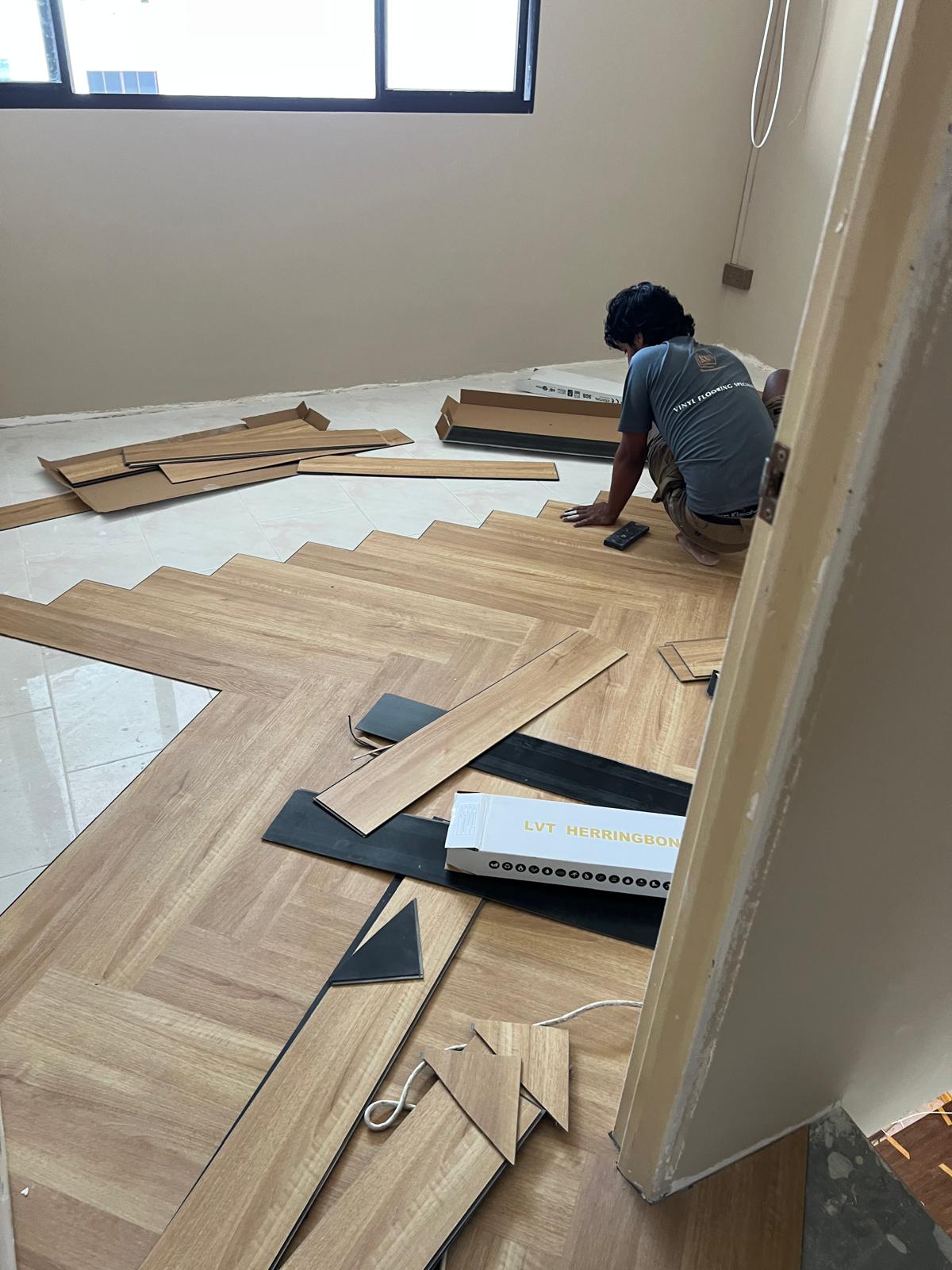
Vinyl Flooring (Stone, Marble & Herringbone Collection)
A vinyl flooring contractor oversees the complete installation process, from site inspection and subfloor preparation—such as cleaning, levelling, and grinding—to the installation of vinyl flooring (sheet, LVT, or SPC).
The scope also includes accurate cutting and fitting, adhesive application, trim installation, and repair or touch-up works for both residential and commercial spaces.
Detailed Scope of Work
Preparation:
Measuring the floor area, preparing the subfloor (including leveling, filling gaps, and removing debris), and protecting existing fixtures.
Installation:
Applying vinyl flooring materials (sheets, tiles, planks), using adhesives and tools, and ensuring proper alignment and fit.
Finishing:
Inspecting the installation for quality, addressing any issues, and ensuring a clean and organized work environment.
Additional Tasks:
Removing old flooring, disposing of waste materials, and providing recommendations for maintenance and care.
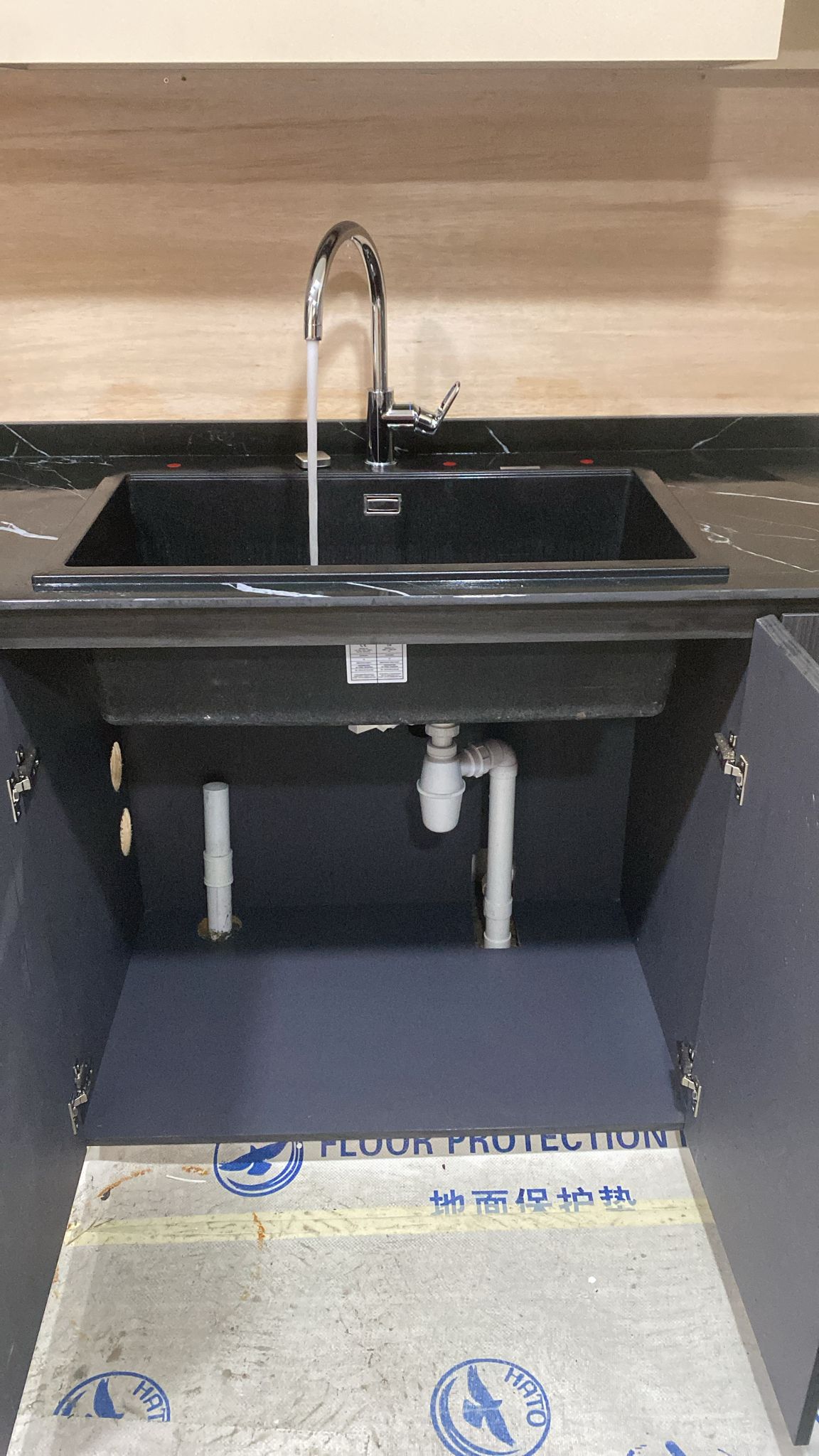
Plumbing Services
A plumber’s job scope involves installing, repairing, and maintaining residential, commercial, and industrial pipe systems, fixtures, and appliances, such as sinks, toilets, and water heaters.
They diagnose leaks, clear blockages, interpret blueprints, and ensure all work complies with health, safety, and building.
Detailed Scope of Work
Installation:
Installing new plumbing systems and fixtures, including pipes, water heaters, sinks, toilets, bathtubs, showers, and dishwashers.
Maintenance:
Performing routine maintenance on plumbing systems to prevent future problems.
Repair:
Diagnosing and repairing leaks, blockages, and other plumbing issues in existing systems.
Troubleshooting:
Identifying and resolving plumbing problems, including those related to water pressure, leaks, and fixture malfunctions.
Code Compliance:
Ensuring that all plumbing installations and repairs comply with relevant building codes and regulations.
Customer Interaction:
Communicating with customers to understand their needs, provide estimates, and ensure their satisfaction.
Emergency Response:
Responding to plumbing emergencies, such as burst pipes or severe leaks.
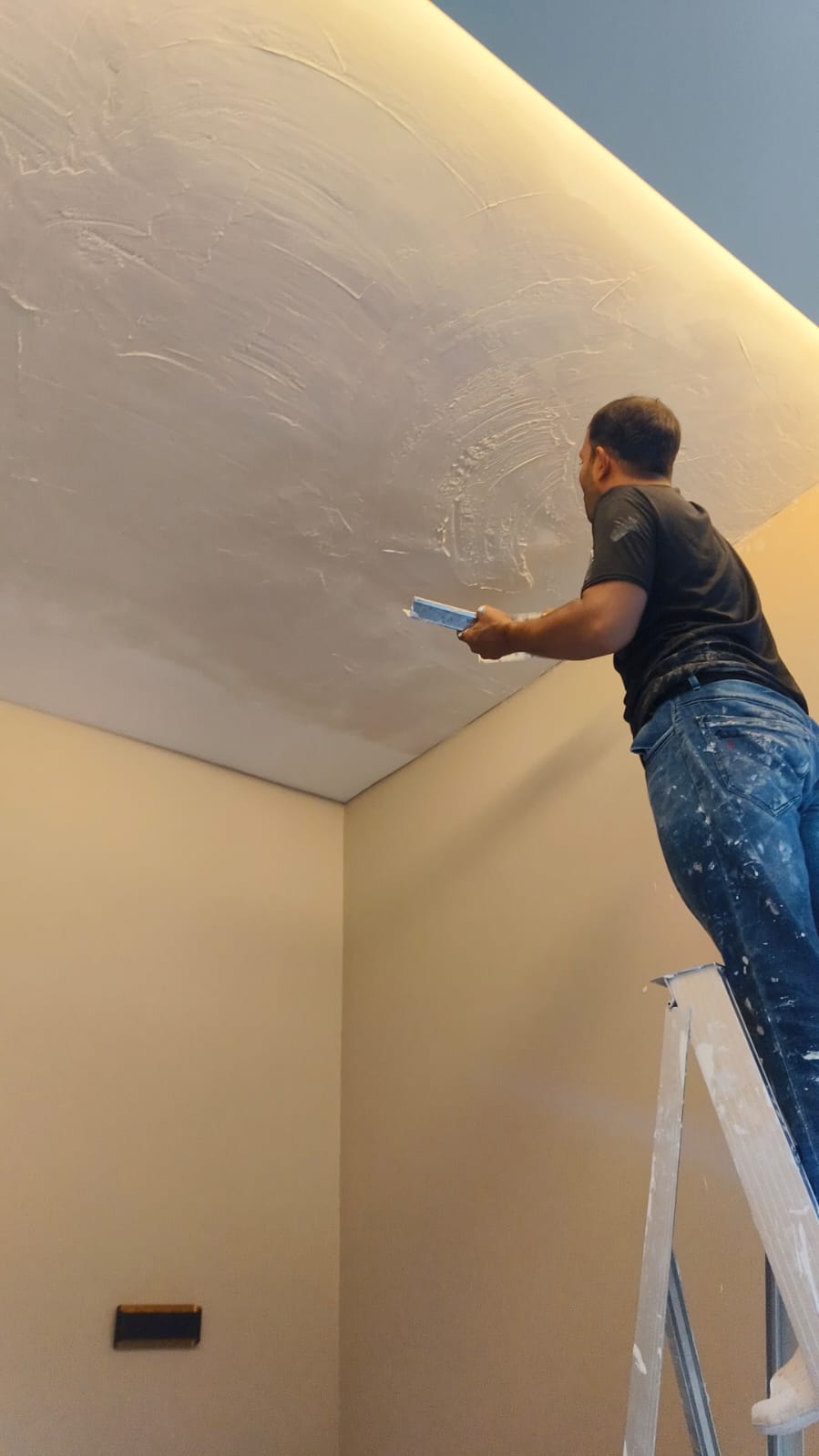
Plastering & Painting Services
Professional painting services provide complete interior and exterior solutions, including surface preparation such as sanding and patching, high-quality paint application, protection of furniture, and thorough site cleanup.
These services often include expert consultation, warranty coverage, and specialised solutions for HDB, condo, and landed properties to ensure long-lasting, high-quality finishes.
Detailed Scope of Work
Repairs: Filling holes, cracks, and imperfections in plaster, sheetrock, and masonry surfaces.
Decorative Plaster: Creating various textures and finishes, such as rustic or decorative looks.
Surface Preparation: Washing, sanding, and priming surfaces before painting.
Paint Application: Applying paint, varnish, and other finishes using brushes, rollers, or sprayers.
Cleanup: Removing old paint, cleaning tools and equipment, and cleaning work areas.
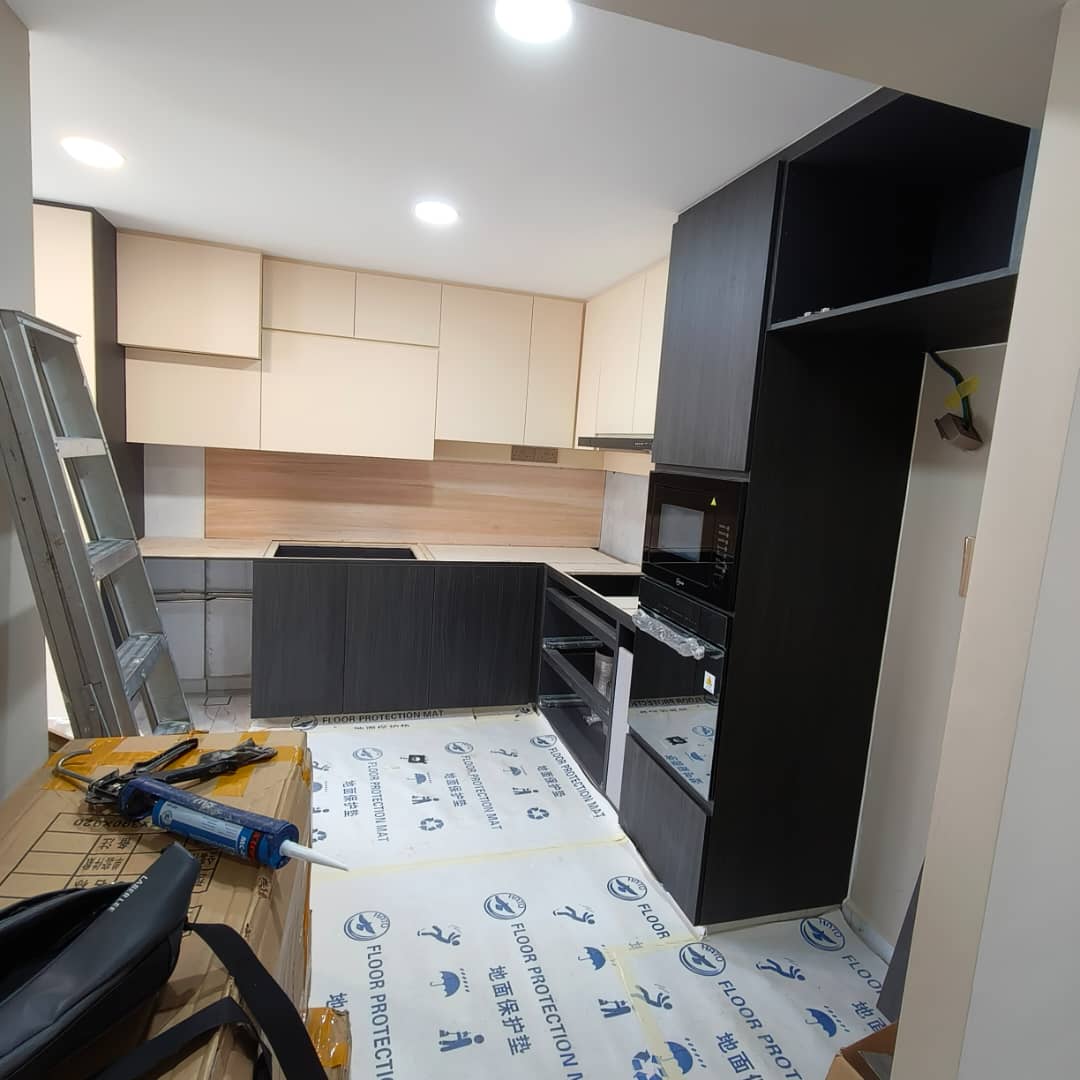
Carpentry Services
Professional carpentry services deliver expert woodworking, installation, and repair solutions for both residential and commercial spaces.
Specialising in custom furniture, structural works, and tailored fixtures, services include crafting cabinets, wardrobes, feature walls, and decking, as well as precise installation and repair of doors, windows, and flooring.
Detailed Scope of Work
Carpenters are involved in building and installing a variety of wooden structures, such as roofing frames, partitions, and joists. They also install cabinets, shelving, fitted furniture, and drywall.
Repair and Restoration:
Carpenters can repair and restore damaged wooden structures, including frameworks, doors, and furniture.
They install fixtures and fittings like door handles, locks, hinges, and closures.
Carpenters can design and create custom woodworking projects, such as bespoke furniture or staircases.
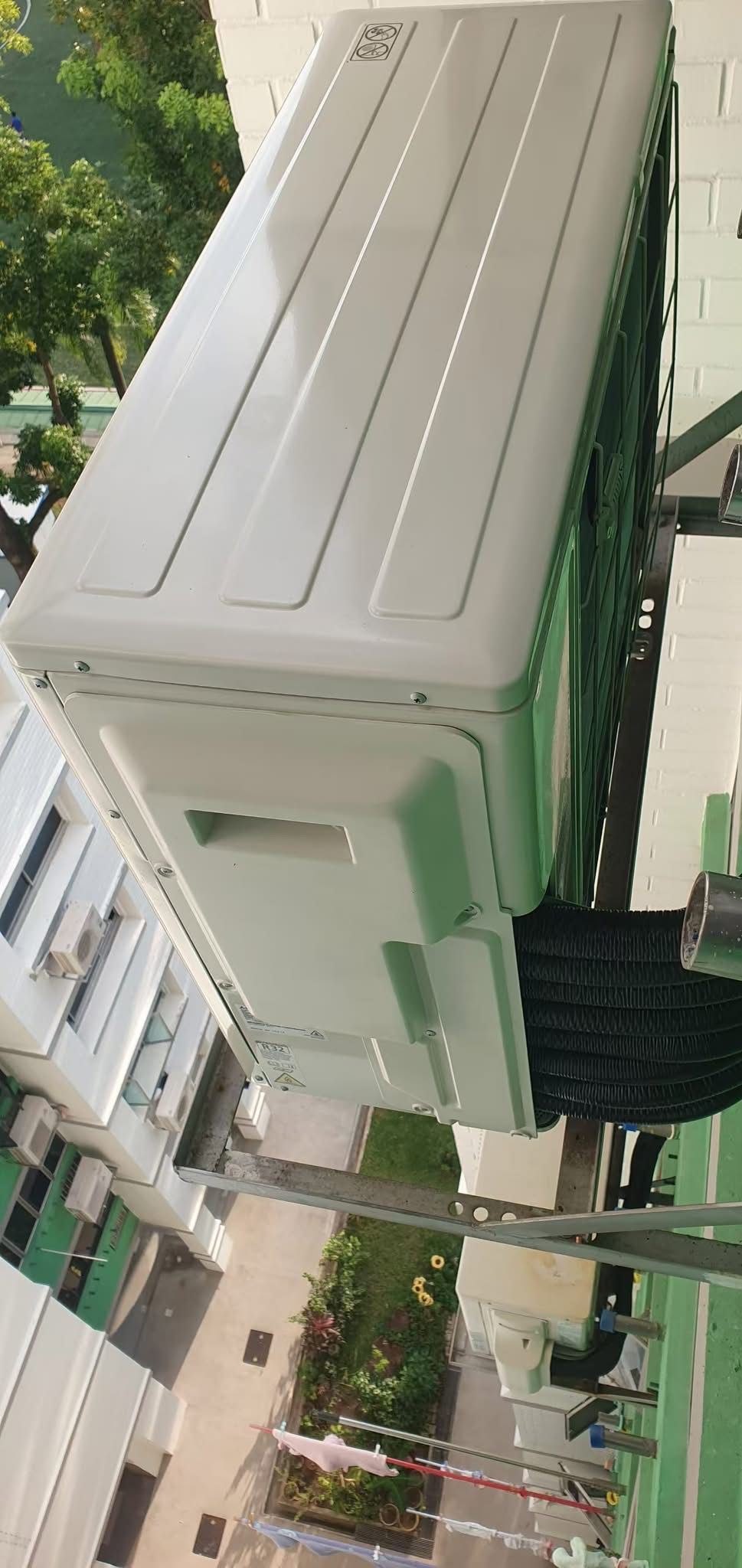
Aircon Installation & Servicing
Aircon installation services provide a complete setup of cooling systems by qualified technicians, covering site assessment, installation of indoor and outdoor units, refrigerant piping, electrical connections, and system testing.
Proper installation ensures efficient performance, energy savings, and long-term reliability, including vacuuming to eliminate moisture and impurities.
Detailed Scope of Work
Assessing the space, determining the best placement for indoor and outdoor units, and planning the installation route for refrigerant lines and wiring.
Material Handling and Preparation:
Receiving and confirming materials like copper pipes, PVC drainage pipes, and wire cables, and pre-measuring the work area.
Installation:
Indoor Unit: Mounting the indoor unit securely on the wall, ensuring proper alignment and ventilation.
Outdoor Unit: Installing the outdoor unit, considering noise and vibration factors.
Refrigerant Lines: Connecting copper refrigerant lines, brazing and soldering them, and ensuring proper insulation.
Wiring: Connecting electrical wiring to both indoor and outdoor units, ensuring proper voltage and safety.
Drainage: Installing PVC drainage pipes to ensure proper water flow from the indoor unit.
Testing and Troubleshooting:
Checking for leaks, power supply, proper water flow, and air cooling to ensure the system is functioning correctly.
Report Submission:
Submitting a report of the installation work to the Building and Construction Authority (BCA) within 14 days of completion.
Customer Interaction:
Communicating with clients, explaining the installation process, and addressing any questions or concerns.
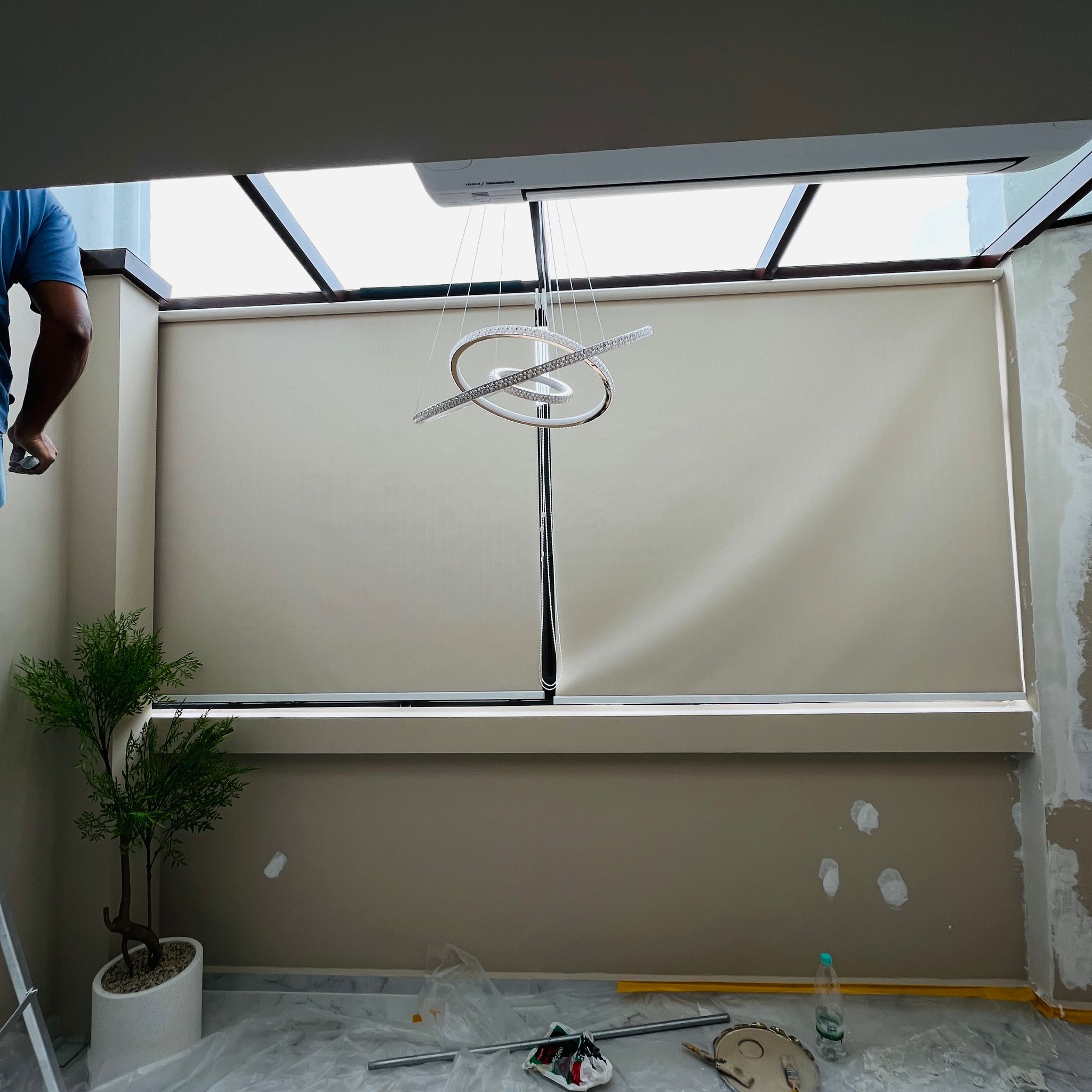
Curtains & Blinds
A professional curtains and blinds service offers complete window treatment solutions, from initial consultation and custom design to precise installation and ongoing support for both residential and commercial spaces.
These services are designed to enhance aesthetics, improve privacy, and optimise light control while providing options tailored to suit different interior styles.
Detailed Scope of Work
Many companies offer free consultations and measurements, helping you choose the best window treatment for your space and preferences.
Wide variety of fabrics and materials are available, from affordable to high-end options like linen and luxury fabrics.
Some services offer custom-made curtains and blinds, ensuring a perfect fit. Others specialize in installation of pre-fabricated options.
Options for automated window treatments are available, allowing for easy adjustment and smart home integration.