
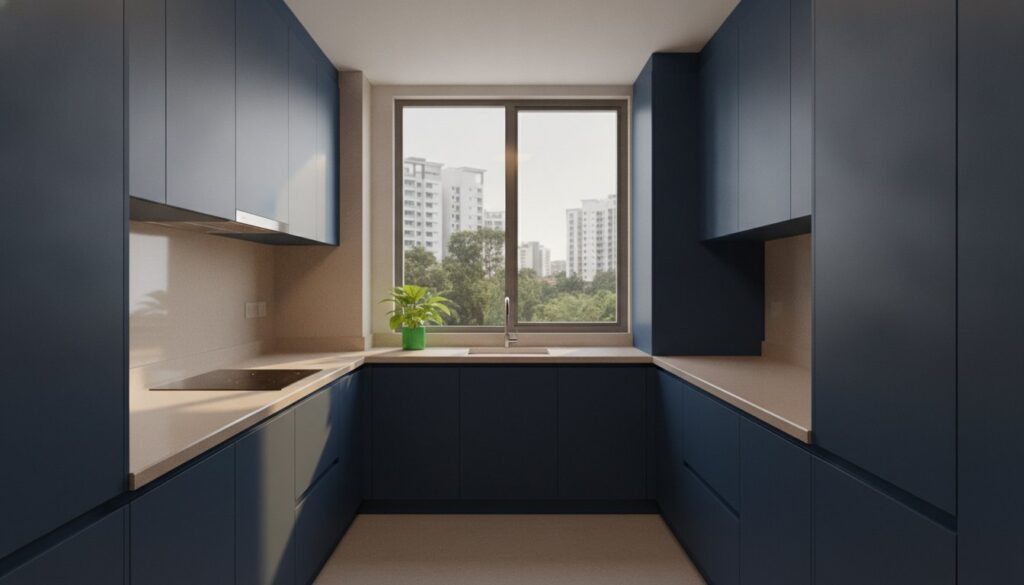
Why are you paying a 30% markup for a kitchen design when the real value lies in the carpentry and technical execution? Most Singapore homeowners struggle with cramped cooking spaces and the hidden commissions of interior designers. If you’re tired of opaque pricing and “designer” fees, choosing a direct small condo kitchen renovation package is the most pragmatic way to upgrade your home. We understand the frustration of trying to fit modern appliances into a shoebox unit while navigating strict MCST rules regarding plumbing and hacking.
You can achieve a high-quality, functional kitchen without the fluff. This guide provides a transparent breakdown of how to optimize your work triangle and maximize vertical storage using direct-to-contractor carpentry. We’ll walk you through the essential 2026 layout trends, explain the technical requirements for MCST-compliant plans, and show you how to calculate costs per linear foot accurately. By focusing on structural integrity and smart material choices like quartz or sintered stone, you’ll get a durable kitchen that works as hard as you do.
Key Takeaways
- Identify the most efficient one-wall and galley layouts designed specifically to turn narrow condo zones into professional-grade cooking spaces.
- Learn how a small condo kitchen renovation package utilizes full-height vertical carpentry and appliance garages to increase storage by up to 30%.
- Navigate the MCST approval process and plumbing constraints with technical 3D drawings that meet strict building management requirements.
- Compare high-ROI materials like quartz and high-pressure laminates to ensure your surfaces withstand daily wear and the local humidity.
- Discover how the direct-to-contractor model eliminates middleman markups, saving you between 20% and 30% on your total project costs.
The 4 Best Small Condo Kitchen Layouts for Singapore Units
Choosing the right configuration is the most important step in any small condo kitchen renovation package. In Singapore, where shoebox units often feature narrow footprints and fixed utility points, your layout must prioritize technical efficiency over aesthetic fluff. We focus on maximizing the kitchen work triangle to ensure your cooking process remains fluid even in a tight space. Whether you’re in a 450-square-foot studio or a compact 3-bedroom unit, the layout dictates your storage capacity and workflow.
The One-Wall Layout for Shoebox Apartments
The one-wall layout is the ultimate space-saver for studio and 1-bedroom units. By keeping all cabinetry and appliances on a single linear plane, you free up floor space for the rest of your living area. This approach is highly pragmatic. It significantly reduces the cost of relocating plumbing and electrical points, as most condo units have these clustered along one wall. We recommend using integrated appliances to hide the fridge and dishwasher. This creates a seamless, high-end look that doesn’t scream “kitchen” when you’re sitting in your living room. It’s about maintaining a clean aesthetic while keeping the technical execution straightforward and cost-effective.
Galley vs. L-Shape: Which Suits Your Workflow?
For open-concept units, the L-shaped layout is often superior. It uses two adjacent walls, allowing for a natural transition between the cooking zone and the dining table. However, corners can be a storage nightmare. We solve this by installing LeMans trays or pull-out carousels to reclaim that deep, hard-to-reach space. When we design a small condo kitchen renovation package for L-shaped units, we often include a peninsula. This adds a breakfast bar or extra prep area without the bulky footprint of a standalone island. We assess the placement of floor traps and drainage pipes early in the process. Moving these in a condo is technically difficult and often rejected by the MCST, so we build our layouts to work with your unit’s existing plumbing infrastructure.
Maximising Vertical Space with Custom Carpentry
Standard condo kitchens often come with a 300mm gap between the top of the cabinets and the ceiling. This “dust gap” is a waste of prime real estate in a compact unit. When you invest in a small condo kitchen renovation package, we focus on full-height cabinetry to reclaim this space. By extending your cabinets to the ceiling, you gain roughly 30% more storage without increasing the kitchen’s footprint. This is where you store seasonal items or bulky appliances that aren’t used daily. It’s a pragmatic solution that keeps your kitchen looking tidy and professional.
Countertop clutter is another major issue in shoebox units. We solve this by incorporating an appliance garage into the carpentry design. This technical solution features a lift-up or tambour door that hides bulky blenders, coffee machines, and air fryers while keeping them plugged in and ready for use. Direct carpentry also allows us to deal with awkward structural pillars. Instead of leaving a gap, we customise the cabinet depths to wrap around these columns. This ensures a seamless look and ensures every inch of the wall is used for storage. If you want to see how these elements fit into a total home plan, you can explore our condo renovation packages for a clear breakdown of works.
The Anatomy of High-Efficiency Condo Cabinets
In Singapore’s humid climate, material choice is critical for long-term durability. We recommend solid plywood carcasses over blockboard because plywood provides better screw-holding strength and resistance to moisture. To prevent the common problem of laminate peeling, we apply ABS edging to all cabinet doors and exposed edges. This 2mm thick plastic trim provides a high-impact, waterproof seal that protects the wood core. Pricing for a carpenter singapore is typically calculated by linear footage, which measures the horizontal length of the cabinets along the wall regardless of their height. While carpentry is primarily an aesthetic and functional choice, staying within the BCA guidelines for condo owners ensures that your additions don’t exceed the floor’s loading capacity or interfere with fire safety systems.
Smart Storage Hacks for Tight Corners
We look for storage opportunities in places most owners ignore. The 100mm gap often left next to a refrigerator is perfect for a slim, pull-out spice rack or a dedicated slot for cleaning supplies. We also recommend toe-kick drawers. These are shallow drawers installed in the plinth area under your base cabinets, providing the perfect spot for flat items like baking trays and cooling racks. For upper zones, we use floating shelves instead of heavy cabinets near windows. This prevents the kitchen from feeling claustrophobic while still providing a place for daily-use items. These small technical adjustments are what make a compact kitchen truly functional.
Condo Renovation Rules: MCST and Technical Constraints
Renovating a condo kitchen is more complex than an HDB project because you must answer to the Management Corporation Strata Title (MCST). Before any hacking starts, your small condo kitchen renovation package must include the preparation of detailed 3D drawings and a precise work schedule for submission. The management office isn’t interested in your color palette; they want to ensure your contractor won’t damage the building’s structural integrity or disrupt the neighbors. You must also budget for common area protection. This involves taping down heavy-duty floor protection from the lift lobby to your unit door and placing a security deposit, often ranging from S$1,000 to S$3,000, which the MCST holds until the project is completed without damage to common property.
While you can find many space-saving ideas for small kitchens online, in a Singapore condo, these must always be balanced against technical feasibility and local bylaws. For example, moving a gas pipe requires a licensed gas service worker and approval from City Energy. If you’re switching from gas to induction, we must first verify your electrical load. Many older condos have limited amp allowance, and a high-wattage induction hob might trip your DB box if the wiring isn’t upgraded correctly.
Navigating MCST and Building Management
Expect a standard two-week approval lead time for your renovation permit. We advise homeowners not to book appliance deliveries until this permit is secured. You must also adhere to strict working hours, typically Monday to Friday, 9:00 AM to 5:00 PM. Noisy works like hacking or drilling are strictly prohibited on weekends and Public Holidays. Your contractor must also provide proof of Public Liability Insurance to the MCST before they are allowed to touch the site. We manage these administrative hurdles as part of our service to ensure your timeline doesn’t slip due to paperwork errors.
Technical Limits of Condo Kitchens
The biggest constraint in condo kitchens is the fixed vertical drainage stack. This is why “island sinks” are often impossible or prohibitively expensive; you cannot easily run drainage pipes across the floor without raising the entire floor level, which might violate ceiling height regulations. We also have to consider fire safety for open-concept designs. If you remove a kitchen wall, the MCST may require you to install additional smoke detectors or ensure your cooking zone is a specific distance from the main exit. For a deeper look at how to navigate these tight spaces, our guide on Singapore small condo interior design offers broader strategies for unit-wide optimization.
Material Selection for Durability and Value
Selecting the right materials is what makes a small condo kitchen renovation package a sound investment rather than a recurring maintenance headache. In compact Singapore units, surfaces are subjected to high-frequency use. We prioritize materials that offer the best return on investment (ROI), especially for owners looking to rent out their units. Every material we select is chosen for its ability to withstand the local humidity and the physical demands of a high-traffic prep area. We don’t just look at how it looks on day one; we look at how it performs after five years of daily cooking.
For flooring, we often recommend Luxury Vinyl Tiles (LVT) as a pragmatic alternative to hacking existing tiles. Hacking in a condo involves significant noise, dust, and strict MCST disposal rules. LVT can be overlaid directly on top of the original tiles, saving you thousands in demolition costs and avoiding the risk of damaging the underlying waterproofing layer. It’s waterproof, slip-resistant, and provides a modern finish without the technical complications of masonry work. If you’re ready to start your project, you can view our comprehensive condo renovation packages to see how these materials are bundled into our services.
Countertop Comparison for Busy Kitchens
Quartz is the non-porous king of Singapore kitchens. It’s an engineered stone that resists stains, scratches, and bacteria without the need for periodic sealing. For owners who prefer a minimalist aesthetic, KompacPlus is an excellent alternative. It offers a sleek 6mm profile that is highly resistant to heat and water, making it perfect for heavy cooking zones. We advise clients to avoid natural marble and granite. These materials are porous and prone to etching from acidic liquids like lemon juice or vinegar. In a small kitchen where every inch of counter space is used for prep, you need a surface that doesn’t require constant babying.
Laminates and Finishing Details
Your cabinet doors take the most abuse in a kitchen. We use high-pressure laminates (HPL) because they offer superior scratch and impact resistance compared to standard paper-thin alternatives. A critical technical detail we include is the 1mm ABS edging. This thick plastic trim creates a seamless seal around the door edges, preventing the moisture-induced peeling that plagues many older condo kitchens. While anti-fingerprint laminates carry a slight premium, they’re often worth the cost for modern dark-themed kitchens as they significantly reduce cleaning time. For a deeper look at carcass materials and door styles, read our guide on kitchen cabinets Singapore to help you make an informed decision.
Backsplash selection is equally important for long-term maintenance. Tempered glass is a popular choice because it’s seamless and incredibly easy to wipe down. However, large-format tiles are making a comeback in 2026. These tiles minimize grout lines, which are the main areas where grease and mold accumulate. If you want a perfectly coordinated look, using the same KompacPlus material for both your countertop and backsplash creates a high-end, integrated feel that makes a small kitchen appear larger.
Executing Your Kitchen Reno Without ID Markups
Choosing a small condo kitchen renovation package from a direct contractor is the most effective way to control your budget. Most interior design firms function as middlemen; they outsource the actual manual labor to specialists and add a 20% to 30% markup for their coordination services. By engaging a contractor directly, you bypass these hidden commissions. You pay for the actual materials and the skilled labor required for your project. This model requires a more pragmatic approach, but the financial savings are substantial for savvy homeowners who value technical results over artistic presentations.
Managing your own project doesn’t mean you’re left without a plan. We provide professional 3D drawings that serve as your technical renovation blueprint. These drawings are essential for aligning with your MCST’s requirements and ensuring that every cabinet and appliance fits perfectly. We use a transparent pricing model based on linear footage for cabinetry and masonry. This allows you to see exactly where your money goes. We also emphasize the importance of understanding hacking versus reinstatement costs. In a condo, hacking involves more than just breaking walls; it includes the careful protection of common areas and the responsible disposal of debris, which are vital components of your overall budget.
The 3-Step Direct Renovation Process
- Step 1: Site Measurement and 3D Planning. We conduct a detailed site assessment to identify utility points and structural constraints before creating a plan that satisfies both you and your building management.
- Step 2: Direct Sourcing. We coordinate the direct sourcing of all masonry, plumbing, and carpentry works from our internal team of trade specialists, ensuring no intermediary markups.
- Step 3: Technical Supervision. We provide on-site supervision for all installations. This ensures that every joint, seal, and electrical connection meets our quality standards and remains compliant with local regulations.
Why Direct Renovation Contractor Singapore?
We operate on a foundation of honesty and technical skill. There are no undisclosed fees or surprise charges. We focus on delivering high-quality workmanship that prioritizes the structural integrity of your home. Our team has extensive expertise in home renovation across various Singapore condos, from older resale units to brand-new developments. We understand the nuances of the local industry and work hard to ensure your project is completed on time and within the agreed scope. You can get a direct quote for your small condo kitchen renovation package today and see how our streamlined business model saves you money.
Optimize Your Condo Kitchen for 2026
Our business model is built on technical competence and financial transparency. We offer direct factory pricing for custom carpentry and utilize a clear linear footage billing model to eliminate guesswork. Our deep expertise in Singapore MCST regulations means we handle the technical submissions so your renovation remains compliant and stress-free. Skip the middleman markups-get a direct quote from our carpentry experts today. You’ll receive a high-quality, durable kitchen without the unnecessary designer commissions. Build a space that works as hard as you do.
Frequently Asked Questions
How much does a small condo kitchen renovation package cost in Singapore?
The cost of a small condo kitchen renovation package depends on the total linear footage of cabinetry and the choice of countertop materials. Pricing is typically split between carpentry, masonry, and plumbing works. A comprehensive package usually covers the fabrication of cabinets, installation of a quartz or KompacPlus top, and basic electrical rewiring. We provide a transparent breakdown of these costs so you pay for the actual materials and labor without hidden designer markups.
Can I change my condo kitchen layout from enclosed to open-concept?
You can convert to an open-concept layout if the wall you intend to remove is non-structural. You must first check your unit’s structural floor plan to identify load-bearing walls that cannot be hacked. This change requires MCST approval and may involve additional fire safety requirements. We help you navigate this process by providing the necessary technical drawings and ensuring the new layout doesn’t interfere with the building’s fire safety provisions.
What is the minimum width required for a galley kitchen in a condo?
A galley kitchen requires a minimum walkway width of 900mm to allow a single person to move comfortably. However, a clearance of 1200mm is the professional standard for safety and functionality. This space ensures you can fully open cabinet doors, pull out deep drawers, and operate appliances like the oven without hitting the opposite counter. We measure these clearances during the site assessment to ensure your workflow isn’t restricted.
Do I need a permit from the MCST to replace my kitchen cabinets?
Yes, you must obtain a renovation permit from your MCST even if you are only replacing the carpentry. The management office needs to regulate noise, manage lift usage for material delivery, and ensure common area protection is installed. Your contractor is also required to submit a security deposit and proof of Public Liability Insurance before work can commence. We handle these administrative submissions to ensure your project starts on schedule.
Is quartz or KompacPlus better for a small condo kitchen countertop?
Quartz is the better option if your priority is stain and bacteria resistance because it’s a non-porous engineered stone. KompacPlus is superior for a sleek, minimalist look due to its slim 6mm profile and excellent resistance to heat and water. Both materials are highly durable for the Singapore climate. Quartz typically offers a wider variety of stone-like patterns, while KompacPlus provides a modern, integrated aesthetic that’s perfect for compact prep zones.
How can I add more storage to a shoebox condo kitchen?
The most effective way to add storage is by installing full-height cabinetry that extends all the way to the ceiling. This eliminates the “dust gap” and provides space for items you don’t use every day. We also recommend using internal organizers like pull-out larders and corner carousels to make deep, narrow spaces accessible. Utilizing the vertical space above your fridge or installing toe-kick drawers under base cabinets can also reclaim hidden storage areas.
Can I install a gas hob in an open-concept condo kitchen?
Installing a gas hob in an open-concept kitchen is possible but depends on your unit’s fire safety rating and the existing gas pipe location. Any modification to gas pipes must be performed by a licensed gas service worker and approved by City Energy. Many owners find induction hobs a more pragmatic choice for open-plan units because they generate less heat, improve air quality, and are easier to keep clean in a visible living area.
How long does a typical condo kitchen renovation take to complete?
A typical kitchen overhaul takes between three and six weeks once the physical work begins. This timeline includes the demolition of old fittings, plumbing and electrical installation, and the final fitting of custom carpentry. It’s important to remember that this doesn’t include the mandatory two-week lead time for MCST approval. We provide a detailed work schedule at the start of the project so you can plan your move-in date with confidence.